
HISTORIC GEMS | NOVEMBER 8
WHY EDWARD W. BROOKE STILL MATTERS
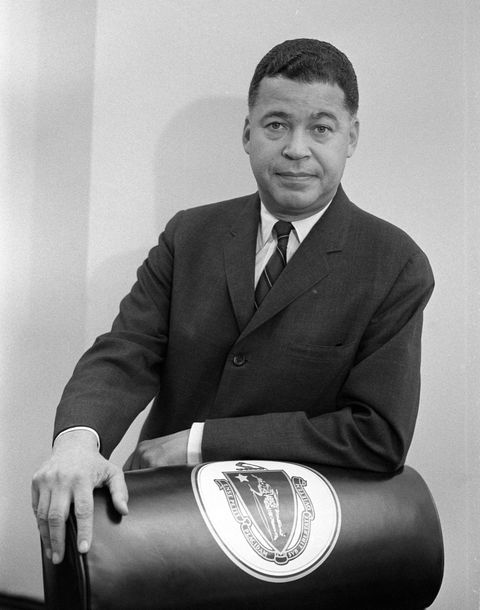
Let’s go back to November 8, 1966. Massachusetts elected Edward W. Brooke to the U.S. Senate. That victory made him the first African American elected to the Senate by popular vote—and the first Black senator since the Reconstruction era.
But the reason Brooke deserves more than a quick mention in a history book is what he did with that seat. He was a Republican who won statewide in a strongly Democratic state, and he built working relationships across party lines without simply following the party line.
He co-sponsored the Fair Housing Act with Democrat Walter Mondale, fought to protect school desegregation, and challenged President Nixon during Watergate. In 1973, Brooke became the first Republican senator to publicly call for Nixon’s resignation.
And there’s another part of his story worth knowing: before the Senate, Brooke was a World War II Army captain, a Howard University graduate, and the first African American elected attorney general in the United States.
So no, this isn’t just a story about being first. It’s about the decisions he made after he got there—and the impact he left behind. That’s why we’re bringing his name back into the conversation.
REAL B | HISTORIC GEMS
Sources & further reading:
U.S. Senate Historical Office — Edward Brooke
U.S. Senate — biography and legislative record
Library of Congress — Edward W. Brooke research guide
Public Law 110-260 — Congressional Gold Medal findings


Leave a Reply